
















This electronic flyer highlights our capabilities and activities in the area of Real-Time Engine Oil Consumption Measurement. Please sign our guestbook. For additional information, e-mail Nathan Forster, Southwest Research Institute.

Real-Time Engine Oil Consumption Measurement 

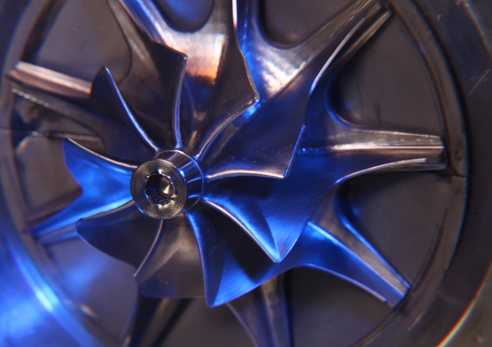
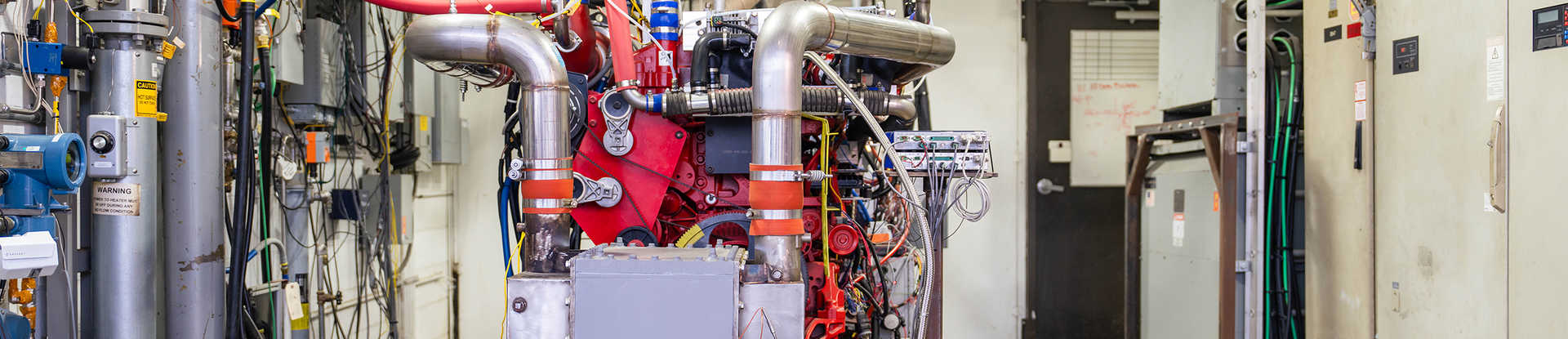
About the Cover: Using the SwRI-developed RTOC™-III apparatus, Institute engineers investigate oil consumption characteristics of individual engine components.

Southwest Research Institute (SwRI), with more than 40 years of experience in engine, fuels, and lubricants research, has developed an innovative sulfur dioxide (SO2)-tracer technique that permits continuous, real-time measurement of lubricating oil consumption in a wide range of diesel and spark-ignition (SI) engines.


The SwRI-developed RTOC™-III apparatus provides a wide range of measurement capabilities, permitting rapid data generation with a high degree of repeatability.


The SwRI-proprietary, real-time oil consumption (RTOC) technique has evolved into a reliable and sensitive instrument for research and development applications. Designated as the RTOC™-III apparatus, the sophisticated SO2-tracer system offers several advantages over other methods, including: 

  • Reduced test duration. Oil consumption for one operating condition is typically acquired in 8 minutes, which allows real-time data for a 21-point, steady-state map to be generated within one working day. 

  • Accelerated multicylinder engine testing. The time required to test multicylinder engines is reduced by testing different components in each cylinder. For example, the testing program for a V8 engine can be accelerated eightfold. 

  • True real-time transient capability. Using highly repeatable, real-time transient data, SwRI engineers recommend engine modifications that extend oil change intervals and prolong the life of emission control devices, including three-way catalysts.

The SwRI RTOC™-III replaces previous drain-weigh, continuous-weigh, or level test procedures that require many hours to obtain a single data point. 

SwRI's Engine, Emissions and Vehicle Research Division has achieved certification to ISO 9001, ensuring compliance with stringent quality control procedures in design, development, and research. 

The SwRI RTOC™-III oil consumption measurement system uses sulfur dioxide as a tracer. Raw exhaust gas is sampled and conditioned for analysis. Oil consumption in mass per unit-time is measured by incorporating a data-processing unit. Both steady-state and transient oil consumption can be mea-sured in a very short time. Discrete oil-consumption measurement for determining oil consumption of individual cylinders, valve trains, and turbochargers is possible, as well as total engine oil consumption. 

Real-Time, Steady-State Measurement

SwRI engineers measure steady-state, engine-out oil consumption in real-time. Real-time data for a 21-point, steady-state map can be generated within one working day.

Real-Time, Steady-State, Cylinder-Out Measurement

Engineers investigate oil consumption distribution across individual cylinders. Using these data, Institute engineers quantify an imbalance in oil consumption across the different cylinders. 


Institute engineers determine steady-state oil consumption of a production engine under 15-percent load. Using these data, engineers evaluate the oil consumption characteristics of the engine.


Steady-State Mapping 

As an added feature, the SwRI-acquired steady-state data may be reduced into a steady-state, two- or three-dimensional map, allowing interpolation surfaces to be generated between data points. Using these data, engineers identify operating conditions with unacceptable oil consumption levels.


SwRI engineers prepare a steady-state oil consumption map to determine if the engine meets original equipment manufacturer specifications for oil consumption.


Real-Time, Transient Measurement

SwRI measures transient, engine-out oil consumption in real time. The Institute then uses these data to determine if transient operation of an engine adversely affects the rate of oil consumption.


An important factor in real-world engine operation is character-izing an engine under transient operating conditions. Here, SwRI engineers use the RTOC™-III apparatus to measure real-time, transient engine-out oil consumption.


Oil Consumption Database

With more than a decade of experience in real time, oil consumption measurement, SwRI has developed a comprehensive engine oil consumption database. This extensive database enables engineers to compare and evaluate relative oil consumption among a wide variety of engines.


Institute engineers use the RTOC™-III instrument to measure steady-state cylinder oil consumption in an engine at rated power conditions. Automotive engineers use these data to investigate a possible imbalance in oil consumption across all cylinders. An imbalance may indicate a flaw in the engine's design.


Diagnostic Capabilities

If tests indicate excessive oil consumption in a particular engine, engineers can investigate the oil consumption characteristics of individual components or groups in detail. Components requiring additional work may include:

  • Power cylinder
  • Positive crankcase ventilation valve
  • Valve stem seal
  • Turbocharger seal 

This brochure was published in March 2001. For more information about real-time engine oil consumption measurement, contact Nathan Forster, Engine, Emissions and Vehicle Research Division, Southwest Research Institute, P.O. Drawer 28510, San Antonio, Texas 78228-0510, Phone (210) 522-5785, Fax (210) 522-3950.

Engine, Emissions and Vehicle Research Brochures
SwRI Brochures separate.gif (834 bytes) SwRI Publications
SwRI Technical Divisions separate.gif (834 bytes) SwRI Home